
A silhouetted figure standing still as dark red fabric trails behind him

Educational tools for the moment after

A lapse is an event.
Not a verdict.

The First Return helps you separate what happened from what happens next — without day-zero thinking, shame, or another promise to be perfect.

Start here

If the aftermath of one mistake has ever taken the rest of your day with it, this video explains the philosophy behind The First Return.

Start hereGo deeper

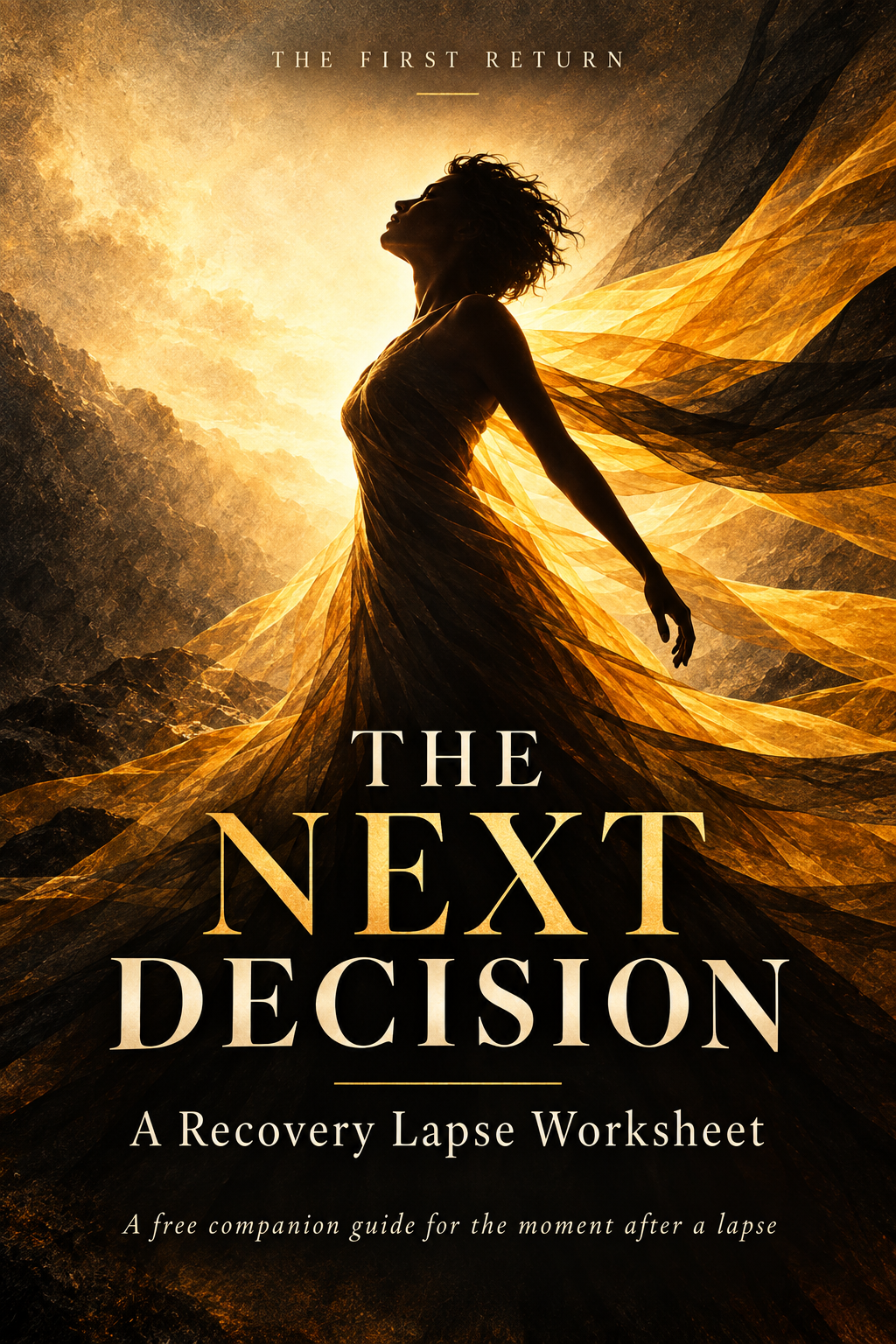
Cover of The Reality Audit: Lapse vs. Loss — a silhouette with golden fabric

Try the method for free

The Reality Audit:
Lapse vs. Loss

Free worksheet · $0

A free worksheet for the hours after a pornography lapse.

It helps you record what actually happened without adding self-judgement, separate facts from shame-driven conclusions, and choose a specific next recovery action.

It is the simplest introduction to the same philosophy behind the ebook you saw in the video.

The free worksheet gives you one structured exercise.
A Thousand Small Returns teaches you the full method.

No purchase required.
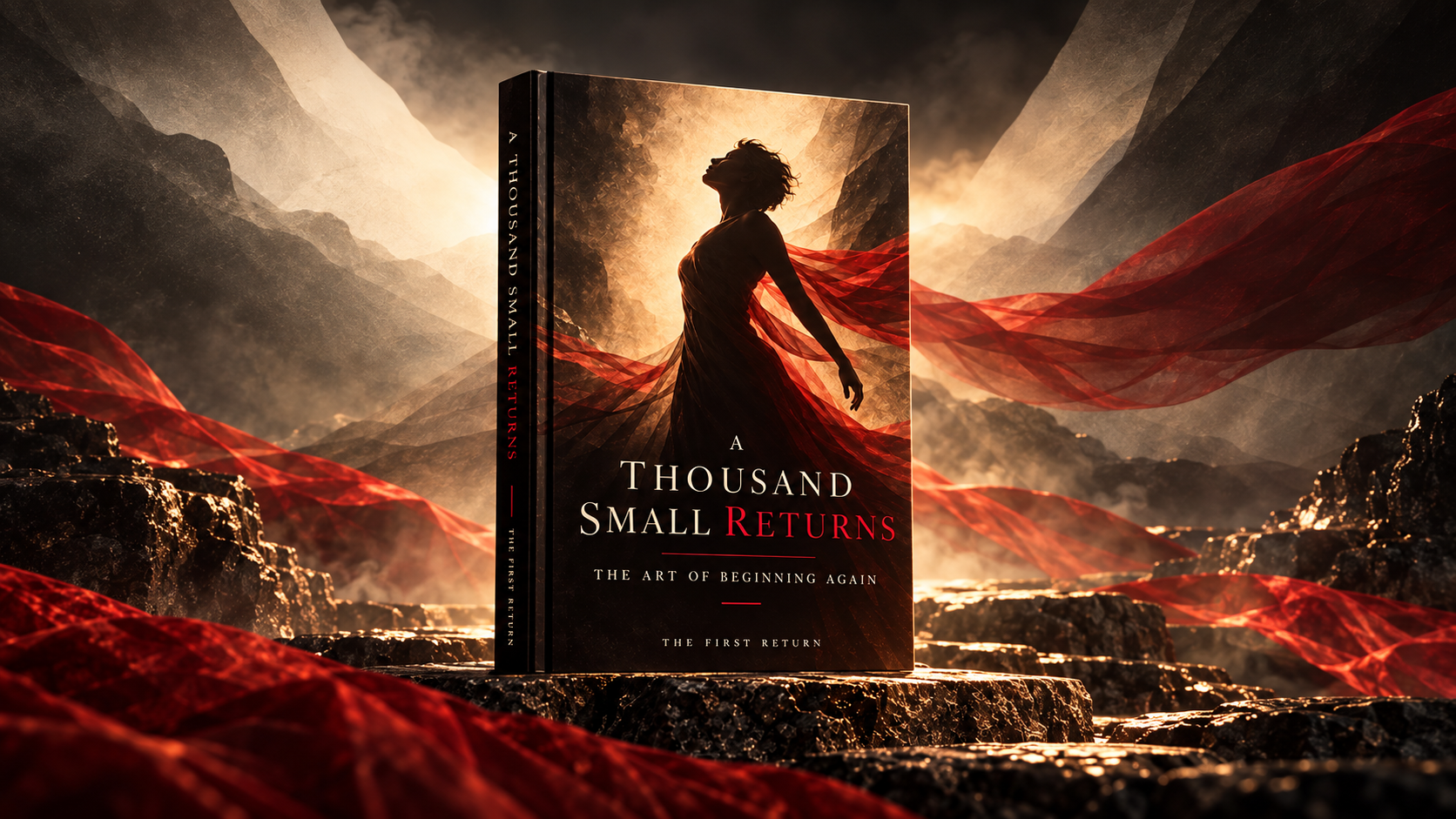
A Thousand Small Returns: The Art of Beginning Again — digital ebook cover

Want the full method?

A Thousand Small Returns:
The Art of Beginning Again

$13.99 USD · One-time purchase

The free worksheet helps you handle one moment.

The ebook goes further — into the decisions after a lapse, the shame-and-“day zero” thinking that can follow it, the conditions that made you vulnerable, and how to return to your life without letting one mistake dictate everything that comes next.

Digital PDF ebook. No physical book is shipped.

Not sure where to start?

If the lapse just happened, start with the free worksheet, The Reality Audit.

If you want to understand the full First Return method, read A Thousand Small Returns.

A Thousand Small Returns: The Art of Beginning Again — digital ebook

A Thousand Small Returns

The mistake happened.
The rest is still yours.

Most advice tells you how not to lapse. This ebook starts where that advice usually ends.

A Thousand Small Returns: The Art of Beginning Again is a practical guide for the hours after a pornography lapse — when the mistake has already happened and the next decision is still yours.

It is built around a simple question: “What do I do now?”

The aim is not to pretend the setback did not matter. It is to help you understand what happened, interrupt what you can, protect the next decision, and return to the life that was still waiting for you.

  • For the night that went wrong.
  • For the morning after.
  • For the next useful decision.

$13.99 USD · One-time purchase

Digital PDF ebook. No physical book is shipped.

A silhouetted figure at golden hour with many-coloured fabric flowing across the sky

The First Return

One philosophy.
Different places to return from.

The First Return began with pornography recovery because it exposed the question most clearly: What happens after something goes wrong?

The deeper principle is broader. If fear of making the wrong move keeps you from building a better life, learning how to return matters almost as much as learning how to avoid the mistake.

You cannot remove every risk from becoming stronger, loving someone, building discipline or changing your life. You can learn what to do when something goes wrong.

  1. 01

    Contain the damage.

  2. 02

    Learn what happened.

  3. 03

    Protect what remains.

  4. 04

    Return deliberately.

The subjects may change over time.
The principle does not.

Make the first return.

Tatenda Maponga, founder of The First ReturnFounder

Accountability

Why I built
The First Return

“Prevention matters. But when prevention fails, the next hour still matters.”

I’m Tatenda Maponga, founder of The First Return. I’m not a therapist or clinical psychologist, and this is not medical treatment.

I built this around a specific failure point that gets surprisingly little attention: what someone does after the lapse has already happened. I wanted a practical system for that hour—simple enough to use while disappointed, tired, or frustrated, without requiring anyone to prove how ashamed they were.

Frequently asked questions

Clear answers.
No theatre.

If your behaviour is causing significant distress, risk, or disruption, consider speaking with a qualified mental-health professional. Use the right tool for the right problem.